Key takeaways
- Bulky soft items (comforters, sweaters, winter coats) where space savings matters most → vacuum bags.
- Anything you might need on short notice (extra blankets, off-season shoes) → underbed containers.
- Structured items that shouldn’t be compressed (down jackets, padded items) → underbed containers, not vacuum bags.
- A high shelf or closet with limited depth → vacuum bags, since they compress down flat.
Both vacuum storage bags and underbed containers solve the same basic problem — where to put clothes you’re not wearing right now — but they solve it in very different ways. Here’s which one actually fits your closet, your clothes, and how often you need access to them.
Vacuum Storage Bags: Maximum Space Savings
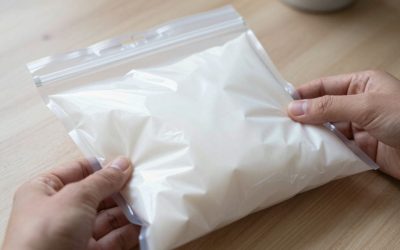
Vacuum bags use a vacuum cleaner or hand pump to suck the air out of a sealed bag, shrinking bulky items like comforters, winter coats, and sweaters down to a fraction of their original size. They’re excellent for soft, compressible items and tight storage spaces, but they’re not ideal for anything structured — down jackets and anything with stiff padding can lose loft over long-term, repeated compression.
Spacesaver Premium Vacuum Storage Bags
A well-known vacuum bag brand with reinforced seams, aimed at reducing the most common failure point with cheaper vacuum bags — seam leaks that slowly let air back in over weeks or months of storage.
Ziploc Vacuum Storage Bags
A widely available, inexpensive option that works with a standard vacuum cleaner hose attachment — a reasonable choice if you’re storing a handful of items rather than compressing an entire closet’s seasonal rotation at once.
Underbed Containers: Structure and Easy Access
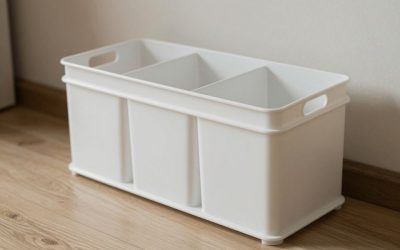
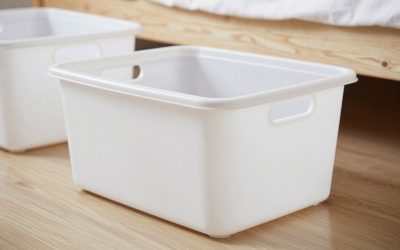
Underbed bins don’t compress anything, but they protect contents from dust without relying on a working vacuum seal to stay effective over time. They’re better for shoes, folded jeans, or anything you want to grab quickly without re-inflating a bag first, and low-profile designs slide easily under most bed frames.
Lifewit Underbed Storage Containers
A sturdy, stackable option with clear or mesh panels so you can identify contents without opening the bin — genuinely useful since underbed storage is, by definition, out of sight and easy to forget what’s inside.
iDesign Underbed Storage Boxes
A simpler fabric-construction option with reinforced handles, designed to slide easily in and out from under a bed frame without snagging on carpet or bed frame slats.
Sterilite 66 Qt ClearView Latch Storage Box
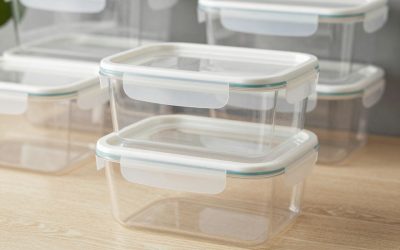
A firmer, more rigid option than fabric underbed bins, with a latching lid that seals tighter against dust than a lidless or snap-top bin — a reasonable step up if the underbed space will also double as general closet overflow storage, not just off-season clothing.
Which Should You Use?
- Bulky soft items (comforters, sweaters, winter coats) where space savings matters most → vacuum bags.
- Anything you might need on short notice (extra blankets, off-season shoes) → underbed containers.
- Structured items that shouldn’t be compressed (down jackets, padded items) → underbed containers, not vacuum bags.
- A high shelf or closet with limited depth → vacuum bags, since they compress down flat.
Many closets end up using both — vacuum bags on a high shelf for true off-season bulk that won’t be touched for months, and an underbed bin for the handful of items you might actually need on a cold week in an otherwise warm month.
Where You Store Matters as Much as What You Use
Basements, garages, and attics introduce humidity and temperature swings that neither vacuum bags nor underbed bins fully solve on their own — a sealed vacuum bag still lets some moisture through the plastic over months, and a plastic underbed bin stored in a damp garage can trap condensation against clothing just as easily as against anything else. Climate-controlled closets and under-bed space in a regular bedroom are meaningfully safer for long-term fabric storage than an unconditioned garage or attic, regardless of which container type you choose. If a damp storage area is the only option, adding a few silica gel packs or a moisture absorber inside the container is worth the few extra dollars.
A note on how this guide was put together: these picks are based on published specs, pricing, and patterns across current 2026 buying guides and Amazon listings — not independent lab testing by this site. Prices and availability can shift, so it’s worth double-checking current listings before buying.
Frequently Asked Questions
Do vacuum bags work without an actual vacuum cleaner?
Most come with a one-way valve that also works with a hand pump or even by rolling the air out manually, though a vacuum cleaner gets noticeably more air out and a tighter final seal.
Can mold grow inside a sealed vacuum bag?
Yes, if items aren’t fully dry before sealing — vacuum bags remove air but not moisture, so anything packed even slightly damp can develop mold in storage despite the seal.
Is a plastic underbed bin better than a fabric one for a damp space?
Generally yes — rigid plastic with a latching lid seals out ambient moisture more reliably than fabric, which can itself absorb some humidity from a damp room. Neither is a substitute for storing in a genuinely dry space when that option exists.
Write Your Review
No reviews yet. Be the first to share your experience!