Key takeaways
- Check bags often, travel somewhere rainy, or pack anything breakable → hardside.
- Almost always carry on, want exterior pockets, or need a bag that flexes into tight spaces → softside.
- Want one all-purpose bag and aren’t sure → a softside carry-on tends to be the more forgiving default.
- Traveling with fragile purchases (electronics, glass, ceramics) → hardside, regardless of your usual preference.
Hardside and softside luggage solve different travel problems, and most frequent flyers end up owning one of each rather than picking a single “best” type for every trip. Here’s the actual difference between the two, not just the marketing language used to sell them.
Hardside Luggage: Protection and Weather Resistance
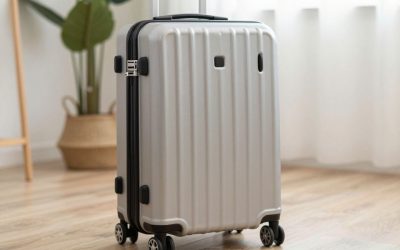
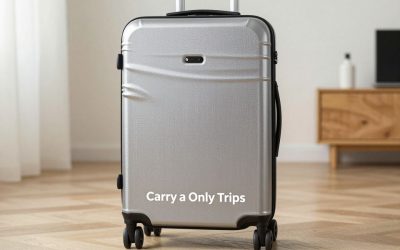
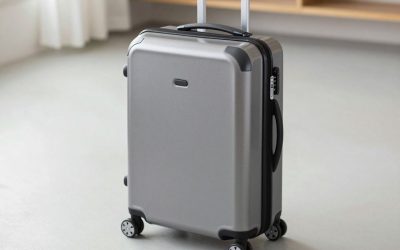
Hardside cases — typically polycarbonate or ABS shells — protect what’s inside from crushing, rain, and rough baggage handling, which makes them useful if you check bags regularly or pack anything fragile. The trade-off is less flexibility: no exterior pockets for quick-access items, and a fully packed hardside case can be harder to squeeze into a tightly packed overhead bin, car trunk, or train luggage rack.
Samsonite Winfield 3 DLX
A well-reviewed mid-range hardside spinner with a polycarbonate shell that resists cracking better than cheaper ABS cases, plus a reasonably light empty weight for its size — a common recommendation for people checking bags on a regular basis.
Amazon Basics Hardside Spinner
The dominant budget hardside pick across review roundups — lightweight and inexpensive, with the understood trade-off of a less impact-resistant ABS shell, simpler spinner wheels, and more basic interior organization than pricier alternatives.
Travelpro Maxlite 5 Hardside Expandable Spinner
A mid-weight hardside option from a brand better known for softside luggage; the polycarbonate shell still flexes under impact rather than cracking outright, and the built-in expansion zipper adds roughly 2 inches of packing depth for the trip home when you’ve bought more than you left with.
Softside Luggage: Flexibility and Extra Space
Softside bags — nylon or polyester construction — flex to fit into tighter spaces, typically include exterior pockets for quick-access items like a phone charger or passport, and often weigh less empty than a comparable hardside case. They’re more vulnerable to punctures and don’t protect contents from crushing the way a rigid shell does.
Travelpro Maxlite 5 Softside Spinner
A long-running favorite with flight crews and frequent travelers, prized for being genuinely lightweight while still holding up to weekly use — a useful signal given how hard that user base is on luggage.
American Tourister Fieldbrook XLT Softside
A budget-friendly softside option with external pockets, a common pick for road trips and shorter trips where crush protection matters less than easy access and a lower price.
Quick Decision Guide
- Check bags often, travel somewhere rainy, or pack anything breakable → hardside.
- Almost always carry on, want exterior pockets, or need a bag that flexes into tight spaces → softside.
- Want one all-purpose bag and aren’t sure → a softside carry-on tends to be the more forgiving default.
- Traveling with fragile purchases (electronics, glass, ceramics) → hardside, regardless of your usual preference.
Which Should You Buy?
Choose hardside if you check bags regularly, travel somewhere rainy or humid, or pack anything breakable on a regular basis. Choose softside if you’re almost always carrying on, want exterior pockets for quick access at security checkpoints, or need a bag that can flex into an overstuffed car trunk or a tight overhead bin.
If you only buy one bag and travel a genuine mix of ways, a softside carry-on is the more forgiving all-rounder — it adapts to more situations than a rigid shell does, even if it gives up some crush protection in the process.
What to Check Before Buying Either Type
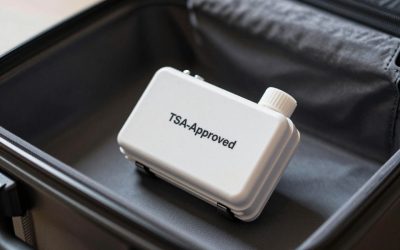
Beyond the hardside-vs-softside decision, a few details matter regardless of which shell you pick. Zipper quality is the single most common failure point on both types — double zipper pulls with a lockable loop hold up better than a single zipper over years of use, and it’s worth checking reviews specifically for zipper complaints rather than trusting the listing photos. TSA-approved locks (built in or add-on) let airport security open a locked bag without cutting it open, which matters since an unapproved lock can legally be cut off during screening. Spinner wheels with sealed bearings resist the grit and debris that eventually make airport-floor wheels stick or wobble, and it’s worth spinning the wheels by hand in the store or checking return policies before a long trip if ordering online.
A note on how this guide was put together: these picks are based on published specs, pricing, and patterns across current 2026 buying guides and Amazon listings — not independent lab testing by this site. Prices and availability can shift, so it’s worth double-checking current listings before buying.
Frequently Asked Questions
Does hardside luggage actually survive airline handling better?
It generally resists crushing and liquid damage better, but hardside shells can crack or chip from hard single impacts in a way that softside bags typically don’t — so “better” depends on the type of damage you’re worried about most.
Is softside luggage allowed as checked baggage?
Yes, softside bags are checked constantly — they’re just somewhat more exposed to punctures and exterior pocket contents shifting or getting crushed compared to a hardside shell.
Do expandable zippers weaken a hardside suitcase?
Slightly, in that the expansion zipper is a seam that wouldn’t otherwise exist, but on quality luggage it’s reinforced specifically for this. The bigger practical issue is that an expanded bag may no longer fit airline carry-on size limits, so it’s worth checking dimensions both collapsed and expanded before relying on the extra space for a flight.


Write Your Review
No reviews yet. Be the first to share your experience!