Key takeaways
- Compression, not just cubes — a compression zipper can reclaim roughly 20-30% of the volume lost to loosely folded clothes, often the difference between a bag that fits the overhead bin and one that gets gate-checked.
- Dedicated shoe/dirty-laundry compartments — keeping shoes separate from clean clothes matters more in a single bag than when you have a second one.
- Packing by category, not outfit — tops, bottoms, and underwear in separate cubes makes mid-trip repacking and laundry days far easier.
- Weight, not just volume — airlines enforce carry-on weight limits too; dense organizers that save space can still push you over a weight limit if you’re not tracking it.
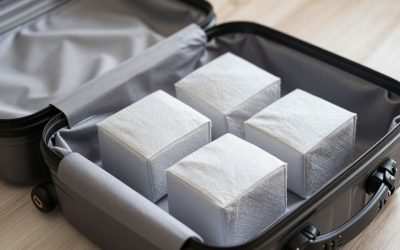
Traveling carry-on only means every inch of your bag has to earn its place. The right packing organizers can be the difference between a carry-on that closes easily and one you’re sitting on to zip shut. Here’s what actually helps when there’s no second checked bag to use as overflow.
BAGAIL Compression Packing Cubes
A frequently recommended pick for carry-on-only travel; water-resistant nylon with mesh panels for visibility and compression zippers that squeeze out extra air, which is the single biggest space-saver available for a one-bag trip.
Veken 9-Piece Compression Packing Cube Set
A larger set that covers clothes, shoes, and toiletries in separate dedicated compartments, which matters more on carry-on-only trips since you don’t have a second checked bag to use as overflow if you overpack.
Olosar Hanging Suitcase Organizer
A hanging organizer that unfolds inside your suitcase to create shelf-like compartments — useful for keeping a carry-on’s contents visible and accessible without unpacking everything onto a hotel bed to find one item.
Amazon Basics Packing Cubes (4-Piece)
A budget-friendly starting point if you’re not sure compression cubes are worth the extra cost yet — lightweight polyester cubes that still meaningfully organize a carry-on, just without the compression zippers of pricier sets.
Eagle Creek Pack-It Reveal Compression Cube Set
A longtime favorite among frequent travelers, built with a mesh top panel for visibility plus a separate compression zipper — the combination lets you see contents at a glance without sacrificing the space savings a sealed compression cube gives up for that visibility.
What Actually Matters for Carry-On Only
- Compression, not just cubes — a compression zipper can reclaim roughly 20-30% of the volume lost to loosely folded clothes, often the difference between a bag that fits the overhead bin and one that gets gate-checked.
- Dedicated shoe/dirty-laundry compartments — keeping shoes separate from clean clothes matters more in a single bag than when you have a second one.
- Packing by category, not outfit — tops, bottoms, and underwear in separate cubes makes mid-trip repacking and laundry days far easier.
- Weight, not just volume — airlines enforce carry-on weight limits too; dense organizers that save space can still push you over a weight limit if you’re not tracking it.
One practical habit from frequent one-bag travelers: pack cubes by category rather than by outfit — it’s easier to find what you need mid-trip, and easier to repack cleanly after doing laundry on a longer trip.
Sizing a Cube Set to a Carry-On
Buying cubes without measuring against the actual bag is a common mistake — a 4 or 6-piece set sized for checked luggage often leaves awkward, hard-to-fill gaps in a 21-inch carry-on’s narrower interior. As a rough guide, one large cube for tops, one medium cube for bottoms, one small cube for underwear and socks, and a separate shoe bag covers most carry-on-only trips without wasted space. Mesh-top cubes make security screening and overhead-bin repacking faster since you’re not unzipping every cube to find one item, while fully compressed opaque cubes save slightly more volume at the cost of that visibility.
A note on how this guide was put together: these picks are based on published specs, pricing, and patterns across current 2026 buying guides and Amazon listings — not independent lab testing by this site. Prices and availability can shift, so it’s worth double-checking current listings before buying.
Frequently Asked Questions
Do compression packing cubes actually damage clothes over time?
Generally no for normal fabrics, but structured items — blazers, down jackets — can lose some shape or loft if compressed repeatedly on every trip. Pack those loosely folded on top rather than compressed.
Are packing cubes worth it if I already pack light?
Even light packers benefit from the organization — finding a specific item without unpacking the whole bag is often the bigger daily benefit, not just the space savings.
How many packing cubes does a typical one-week carry-on trip need?
Most frequent one-bag travelers land on 3-4 cubes total — enough to separate tops, bottoms, underwear, and shoes without so many individual cubes that packing and unpacking becomes its own chore.
Should toiletries go in a packing cube too?
Generally no — toiletries are better off in a dedicated leak-proof toiletry bag rather than a fabric packing cube, since a cube won’t contain a spill the way a sealed bag will, and TSA screening for liquids is easier when they’re all in one clear, dedicated pouch rather than mixed in with clothing.
Do packing cubes make security screening slower or faster?
Generally faster, not slower — officers can usually tell cubes are soft clothing-filled pouches at a glance on the X-ray, and having everything pre-sorted means less digging through a loosely packed bag if a manual check is needed.

Write Your Review
No reviews yet. Be the first to share your experience!